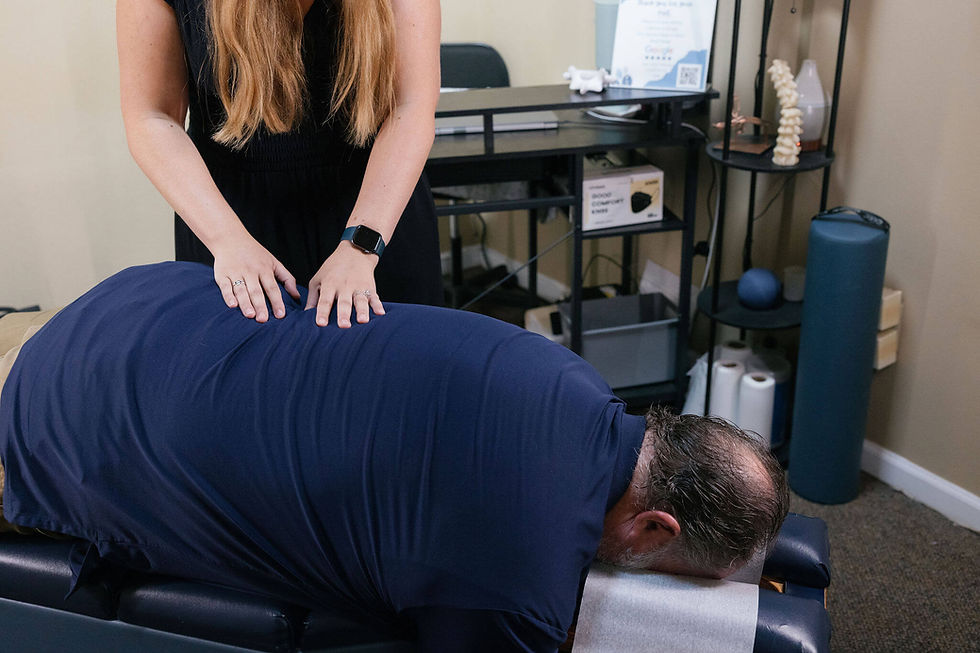
Wrist Tendonitis Treatment: How Chiropractic Care and MSTR Work Together for Natural Healing
Tendonitis can turn simple daily activities into painful challenges. Whether you're dealing with wrist tendonitis from computer work, elbow tendonitis from repetitive motions, or ankle tendonitis from sports activities, the persistent pain and stiffness can significantly impact your quality of life. At 716 Chiropractic & Wellness in Amherst NY, we help patients throughout the Buffalo area find lasting relief from wrist tendonitis, elbow tendonitis, and other tendon-related conditions using natural, non-surgical treatment methods.
Understanding Tendonitis: More Than Just Inflammation

Tendonitis occurs when tendons - the thick cords that attach muscles to bones - become irritated or inflamed. While inflammation is part of the condition, tendonitis often involves more complex changes in the tendon structure that require comprehensive treatment.
Common Types of Tendonitis
Wrist Tendonitis: One of the most common forms in our digital age, wrist tendonitis affects people who spend long hours typing, using a mouse, or performing repetitive hand motions. The tendons that control finger and wrist movement become overworked and inflamed.
Tendonitis Elbow (Tennis Elbow/Golfer's Elbow): Despite the names, you don't need to play tennis or golf to develop these conditions. Any repetitive gripping or twisting motions can lead to tendonitis in the elbow area, affecting tendons on either the outside (tennis elbow) or inside (golfer's elbow) of the joint.
Ankle Tendonitis: The Achilles tendon and other ankle tendons can become inflamed from overuse, sudden increases in activity, or biomechanical problems that place excessive stress on these structures.
Knee Tendonitis (Patellar Tendonitis): Often called "jumper's knee," this condition affects the tendon connecting the kneecap to the shinbone. It's common in athletes but can also develop from other repetitive activities.
What Causes Tendonitis?
Understanding the causes helps guide effective treatment:
Repetitive Stress: Performing the same motions repeatedly without adequate rest can overwhelm the tendon's ability to repair itself, leading to breakdown and inflammation.
Poor Biomechanics: Incorrect movement patterns or postural problems can place abnormal stress on tendons, making them more susceptible to injury.
Sudden Activity Increases: Rapidly increasing activity levels without proper conditioning can shock tendons that aren't prepared for the increased demands.
Age-Related Changes: As we age, tendons become less flexible and more prone to injury, making proper care and treatment even more important.
Wrist Tendonitis Treatment in Amherst: Addressing the Digital Age Epidemic
With more people working from computers than ever before, wrist tendonitis has become increasingly common. Effective treatment requires addressing both the immediate pain and the underlying factors that created the problem. We see many Amherst professionals, students, and gamers dealing with wrist tendonitis from extended computer use.

MSTR for Wrist Tendonitis
Manual Soft Tissue Release (MSTR) specifically targets the affected tendons and surrounding muscles. Our practice combines MSTR with chiropractic adjustments for comprehensive tendonitis care, helping patients in the Amherst area.
Tendon-Specific Techniques: MSTR practitioners use precise manual techniques to address adhesions and scar tissue that develop in inflamed tendons. This helps restore normal tissue quality and function.
Forearm Muscle Release: The muscles in your forearm control your wrist and finger movements. When these muscles are tight or overworked, they place additional stress on the wrist tendons. MSTR helps release this tension.
Fascial Release: The connective tissue (fascia) surrounding tendons can become restricted, limiting normal movement. MSTR techniques help restore fascial mobility.
Chiropractic Approach to Wrist Tendonitis
Chiropractic care addresses the broader biomechanical factors contributing to wrist tendonitis:
Spinal Alignment: Problems in the neck and upper back can affect nerve function to the arms and hands, contributing to tendonitis development. Addressing spinal alignment helps optimize nerve function.
Joint Mobility: Restrictions in the wrist, elbow, or shoulder joints can alter movement patterns and increase stress on tendons. Gentle joint mobilization helps restore normal mechanics.
Postural Assessment: Forward head posture and rounded shoulders create a cascade of problems that can contribute to wrist tendonitis. Correcting these postural issues is essential for lasting relief.
Tendonitis Treatment for Wrist vs. Other Locations
While the basic principles of tendonitis treatment remain consistent, different locations require specific modifications to the approach.
Elbow Tendonitis Treatment
Tennis Elbow (Lateral Epicondylitis):
MSTR focusing on forearm extensor muscles
Grip strength assessment and modification
Activity modification for repetitive gripping tasks
Progressive strengthening exercises
Golfer's Elbow (Medial Epicondylitis):
MSTR targeting forearm flexor muscles
Assessment of throwing or swinging mechanics
Gradual return to triggering activities
Focus on eccentric strengthening exercises
Ankle and Achilles Tendonitis Treatment
Achilles Tendonitis:
MSTR for calf muscles and Achilles tendon
Gait analysis to identify biomechanical issues
Gradual loading protocols for tendon healing
Assessment of foot mechanics and footwear
Other Ankle Tendons:
Specific MSTR techniques for affected tendons
Balance and proprioception training
Addressing any ankle joint restrictions
Progressive return to weight-bearing activities
Knee Tendonitis Treatment
Patellar Tendonitis:
MSTR for quadriceps and surrounding muscles
Assessment of jumping and landing mechanics
Progressive loading exercises for tendon adaptation
Hip and core strengthening to reduce knee stress
The Power of Combined Treatment: Chiropractic Care + MSTR
The combination of chiropractic care and MSTR offers advantages that neither approach provides alone.
Addressing Multiple Factors
Local Tissue Issues: MSTR directly addresses the inflamed tendon and surrounding soft tissues, helping to break down scar tissue, improve blood flow, and promote healing.
Biomechanical Problems: Chiropractic care identifies and corrects the postural and movement problems that contributed to the tendonitis development.
Nervous System Function: Proper spinal alignment ensures optimal nerve function to the affected area, supporting the body's natural healing processes.
Accelerated Healing
When used together, these approaches can significantly speed recovery:
Reduced inflammation and pain
Improved tissue quality and function
Better movement patterns to prevent re-injury
Enhanced overall body function
Natural Tendonitis Treatment: Holistic Healing Strategies
Activity Modification
Ergonomic Improvements: For those with work-related tendonitis, workspace modifications can significantly reduce stress on affected tendons:
Proper keyboard and mouse positioning
Monitor height adjustment
Regular break schedules
Supportive wrist positioning
Sports and Exercise Modifications: Athletes and active individuals may need temporary modifications to their training:
Reduced intensity or volume
Technique refinement
Equipment modifications
Cross-training alternatives
Home Care Strategies
Tendonitis Treatment at Home: While professional treatment is important, several home strategies support healing:
Ice and Heat Application:
Ice for acute inflammation and pain
Heat for chronic stiffness and before activity
Contrast therapy (alternating ice and heat)
Gentle Movement:
Range of motion exercises to prevent stiffness
Gradual return to normal activities
Avoiding complete rest, which can delay healing
Stress Management: Chronic stress can slow healing and increase muscle tension, making tendonitis worse. Stress reduction techniques support recovery.
Wrist Tendonitis Treatment at Home
While professional treatment provides the foundation for recovery, several at-home strategies can support your healing between appointments:
Self-Care for Wrist Tendonitis:
Ice application after activities that aggravate symptoms
Gentle wrist stretches throughout the day
Ergonomic keyboard and mouse setup
Wrist support during computer work
Regular breaks from repetitive activities
When to Seek Professional Help: If your wrist tendonitis symptoms persist beyond 2 weeks of home care, or if pain is severe, it's time to seek comprehensive treatment at our Amherst office.
Holistic Treatment for Tendonitis
Nutritional Support
Proper nutrition supports tendon healing:
Anti-Inflammatory Foods:
Omega-3 fatty acids from fish and nuts
Colorful fruits and vegetables rich in antioxidants
Lean proteins to support tissue repair
Hydration: Adequate water intake supports tissue health and nutrient delivery to healing tendons.
Lifestyle Factors
Sleep Quality: During sleep, your body does most of its healing and repair work. Poor sleep can significantly slow tendonitis recovery.
Stress Reduction: Chronic stress affects inflammation levels and can slow healing. Incorporating stress management techniques supports recovery.
Overall Activity Balance: Finding the right balance between rest and activity promotes healing without causing further irritation.
Prevention: Avoiding Future Tendonitis
Workplace Prevention
Ergonomic Awareness:
Regular workstation assessments
Proper equipment setup
Frequent position changes
Micro-break schedules
Movement Variety: Avoiding repetitive motions by varying activities and positions throughout the day.
Athletic Prevention
Proper Training Progression: Gradually increasing activity levels allows tendons to adapt and strengthen.
Technique Focus: Proper movement mechanics reduce abnormal stress on tendons.
Recovery Time: Adequate rest between training sessions allows for tissue repair and adaptation.
Treatment Timeline and Expectations
Acute Phase (Weeks 1-2)
Pain and inflammation reduction
Gentle MSTR to promote healing
Activity modification to avoid further irritation
Basic range of motion exercises
Progressive Phase (Weeks 3-6)
Continued MSTR for tissue remodeling
Chiropractic adjustments for biomechanical issues
Progressive strengthening exercises
Gradual return to normal activities
Maintenance Phase (Weeks 6+)
Ongoing prevention strategies
Periodic maintenance treatments
Continued ergonomic awareness
Long-term strengthening programs
Why Choose 716 Chiropractic & Wellness for Tendonitis Treatment?
Our approach to wrist tendonitis treatment and natural tendonitis care in Amherst recognizes that lasting relief requires addressing both the local tissue problems and the broader biomechanical issues that contributed to the condition. We combine specialized MSTR techniques with comprehensive chiropractic care to provide natural tendonitis treatment that gets to the root of the problem, not just the symptoms.
Ready for Natural Wrist Tendonitis Treatment in Amherst?
Don't let wrist tendonitis, elbow tendonitis, or ankle tendonitis pain limit your work, sports, or daily activities. Our combination of chiropractic care and MSTR provides a natural, comprehensive approach to tendonitis treatment that addresses the underlying causes.
Contact 716 Chiropractic & Wellness today to learn how our integrated treatment approach can help you overcome tendonitis and prevent future problems.
Get back to the activities you love with natural tendonitis treatment that actually works.